

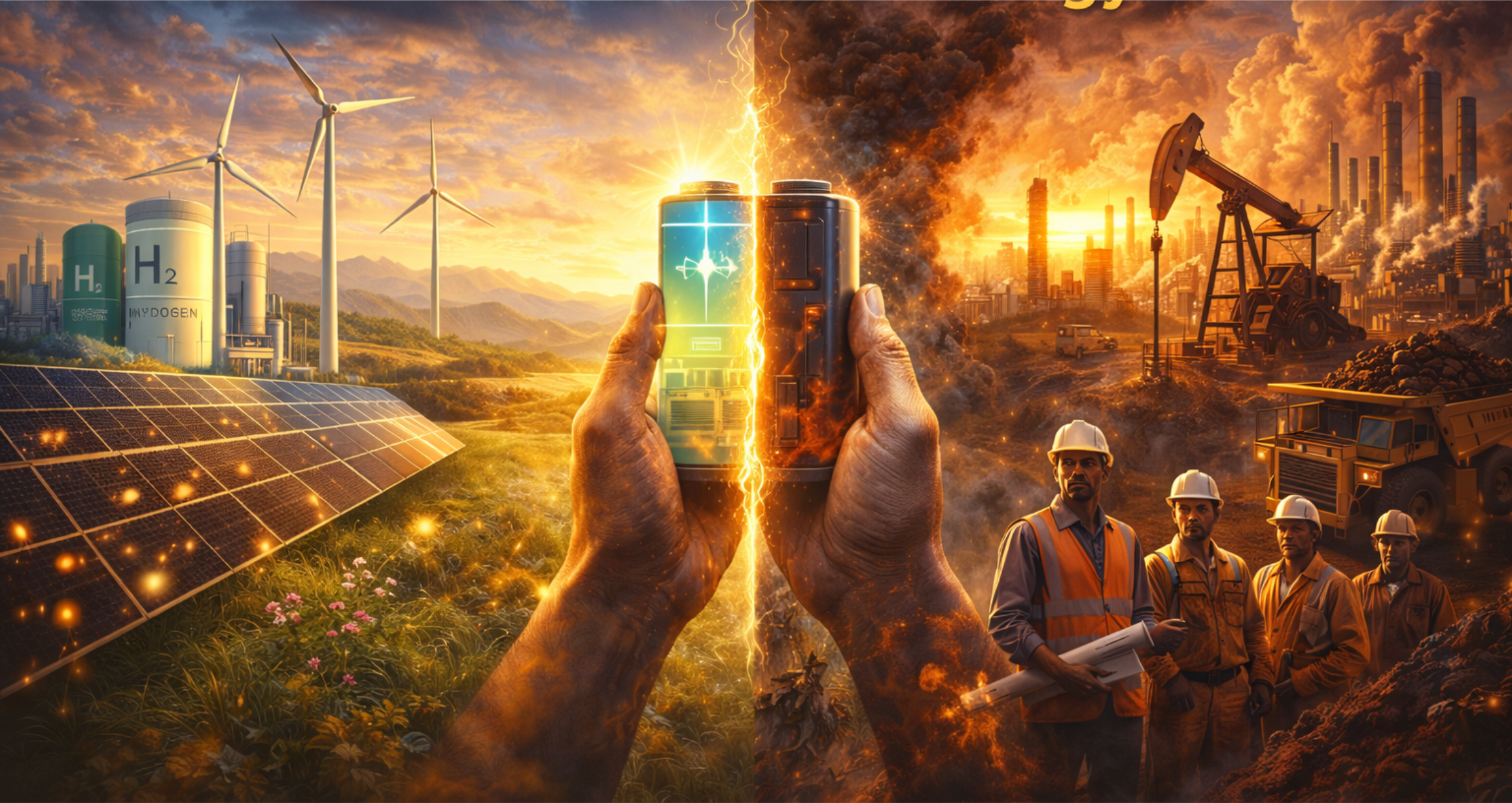
GABORONE—As the global energy transition accelerates and geopolitical tensions reshape supply chains, Africa stands at a pivotal juncture. The continent, holding roughly 30% of the world’s critical mineral reserves, 10% of global oil, and vast renewable energy potential, is facing both unprecedented opportunity and a familiar peril: the risk that its resource wealth fuels inequality and instability rather than sustainable development.
The Critical Minerals Rush
At the heart of the new outlook is the scramble for minerals essential for clean energy technologies. The Democratic Republic of Congo (DRC) produces over 70% of the world’s cobalt, a key component for electric vehicle batteries. South Africa, Zimbabwe, and Guinea are major players in platinum, lithium, and bauxite, respectively. This has triggered a geopolitical tug-of-war, with the United States, European Union, and China vying for influence and access through high-level diplomacy and investment pledges.
“Africa is no longer just a source of fossil fuels; it is the backbone of the future green economy,” says Dr. Fatima Alabo, an energy economist based in Accra. “But the question is whether African nations can move up the value chain, from mere exporters of raw ores to processors and manufacturers of battery components.”
The Persistent “Resource Curse” Shadow
Despite the potential, the specter of the “resource curse” looms large. Many nations, from the Niger Delta to mineral-rich regions of the Sahel, have histories where resource extraction fueled corruption, environmental degradation, and conflict, while leaving local communities impoverished. Weak governance structures and opaque contracts remain significant hurdles.
“New mining deals are being signed at a rapid pace, but too often under the old model,” warns Kofi Mensah, director of the African Resource Governance Initiative. “Without robust legal frameworks, community consent, and transparency, this new boom could replicate the injustices of the past.”
The Dual Energy Reality
Africa’s power outlook presents a stark duality. While the continent possesses immense solar, wind, geothermal, and hydro potential—capable of powering its own growth and exporting green energy—over 600 million people still lack access to electricity. Many governments are pursuing a mixed strategy: developing renewable mega-projects while also exploiting newly discovered oil and gas reserves, as seen in Namibia, Uganda, and Mozambique.
“We are being told to leave our fossil fuels in the ground by the same nations that industrialized using them,” commented a senior energy official from an oil-producing nation, speaking on condition of anonymity. “Our imperative is to use all our resources, responsibly, to electrify and industrialize.”
Regional Power Plays and Integration
Key to the continent’s future is the success of regional integration efforts. Initiatives like the African Continental Free Trade Area (AfCFTA) and power pools such as the Southern African Power Pool aim to create larger energy markets and enable cross-border trade in electricity. This could see hydropower-rich nations like Ethiopia and the DRC becoming regional power suppliers.
“The vision is a connected African grid that enhances energy security and allows clean power to flow to where it’s needed most,” says Adesuwa Okunbo, an infrastructure analyst. “But this requires massive investment and political cooperation that has often been elusive.”
The Path Forward
Analysts agree that Africa’s resource and power outlook hinges on three factors: governance, investment, and strategy. Nations that can negotiate fair terms, attract capital for local processing infrastructure, and invest resource revenues into diversifying their economies and building human capital are most likely to succeed.
The international community’s role is also critical. “True partnership means financing transmission lines and battery factories, not just digging holes,” Dr. Alabo asserts. “It means technology transfer and respecting African agency in designing their own energy pathways.”
As the world races to decarbonize, Africa’s resources are indispensable. How the continent navigates the next decade will determine whether this moment becomes a transformative chapter for inclusive growth or another missed opportunity. The world is watching, and the stakes—for Africa and the global climate agenda—could not be higher.