

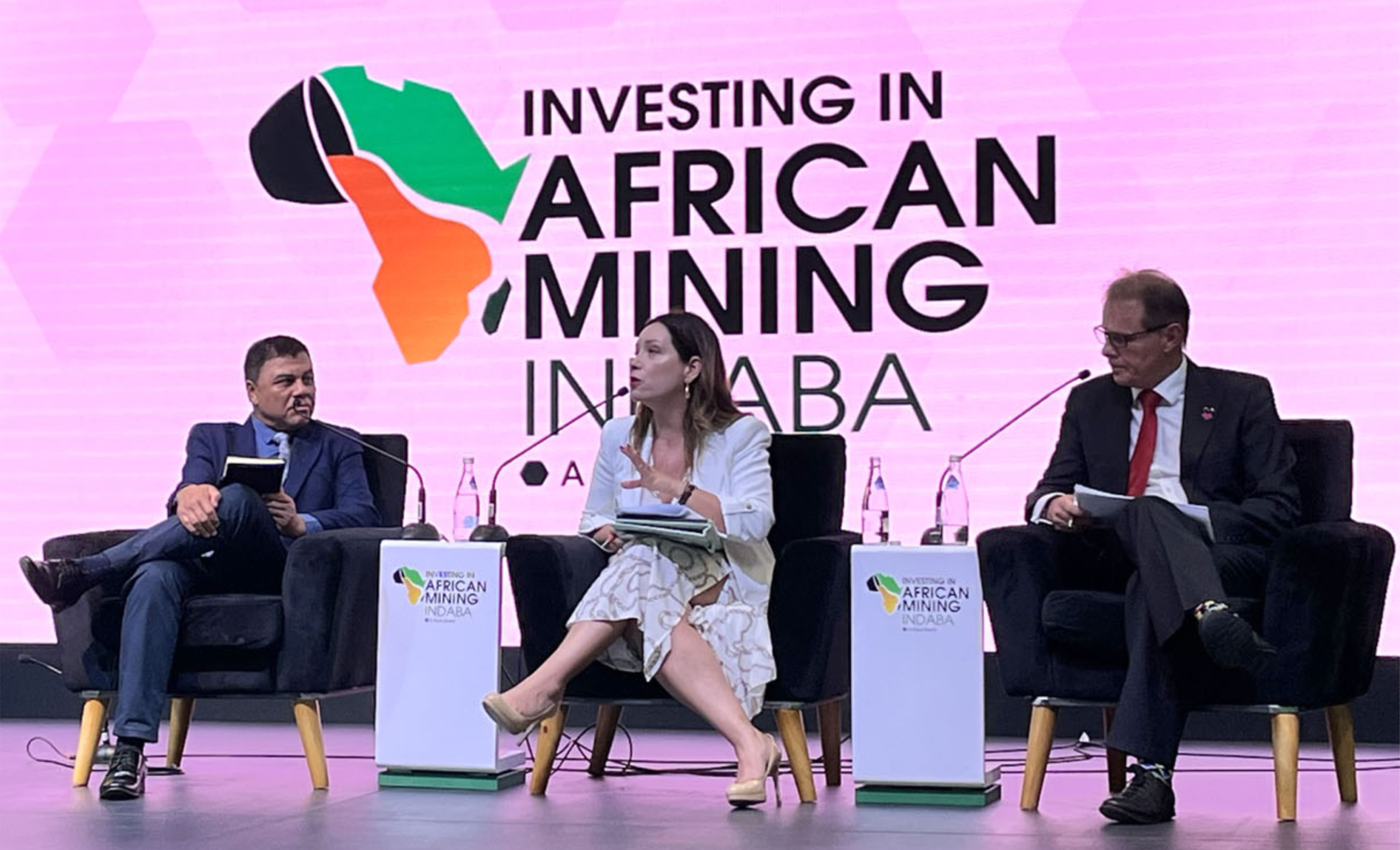
The dust has settled after the 2026 edition of the Investing in African Mining Indaba, held in Cape Town, South Africa, but the implications for Africa’s mining sector continue to reverberate across governments, investors, and industry leaders.
This year’s gathering—one of the world’s largest mining investment conferences—highlighted a major shift in how global powers view Africa’s mineral wealth. No longer merely a supplier of raw materials, Africa is increasingly seen as a strategic partner in securing the resources needed for the global energy transition.
Africa’s Strategic Minerals Gain Global Attention
A dominant theme emerging from the conference was the intensifying global competition for critical minerals such as copper, cobalt, lithium, and rare earth elements. These resources are essential for technologies ranging from electric vehicles to renewable energy storage systems.
African countries including Zambia, Democratic Republic of the Congo, Namibia, and Botswana have become focal points in the evolving geopolitical race for supply security. Delegates at the conference emphasized that Africa holds some of the world’s largest untapped reserves of energy-transition minerals, positioning the continent as a central player in the next global commodities cycle.
As demand from economies such as China, United States, and Germany continues to rise, Africa’s bargaining power in mineral negotiations is expected to increase.
A Shift Toward Local Value Addition
Another critical outcome of the event was a growing push by African governments to move beyond exporting raw ores. Policymakers and industry leaders repeatedly called for local processing, refining, and manufacturing capacity to be developed alongside mining projects.
The approach is particularly evident in emerging initiatives to develop battery manufacturing supply chains in southern Africa, especially in Zambia and the Democratic Republic of the Congo, where large copper and cobalt deposits form the backbone of the global electric vehicle battery market.
This shift signals that future mining agreements may increasingly require commitments to domestic beneficiation and industrial development.
Infrastructure Challenges Come Into Sharp Focus
Despite the optimism surrounding mineral demand, infrastructure limitations emerged as one of the most pressing concerns discussed at the conference.
Delegates highlighted persistent logistical challenges across southern Africa, including rail inefficiencies, port congestion, and power supply instability. These bottlenecks have significantly constrained the ability of mining companies to scale production and transport minerals to global markets.
In response, several mining companies are exploring private investments in transport infrastructure, including rail rolling stock and port facilities. Governments are also considering reforms that would allow private operators greater access to national rail networks.
Investor Sentiment Improves
The conference also reflected a noticeable improvement in investor sentiment toward African mining projects. Rising commodity prices, combined with increasing global demand for energy transition metals, have renewed interest in exploration and development across the continent.
Industry analysts noted increased participation from international financial institutions, mining funds, and strategic investors seeking exposure to Africa’s mineral potential.
However, financing decisions are now increasingly tied to environmental, social, and governance (ESG) performance. Companies are under growing pressure to demonstrate responsible mining practices, community engagement, and sustainable development commitments.
Partnerships Replace Traditional Mining Models
Perhaps the most significant shift observed at the conference was the evolution of mining investment models. Rather than purely extractive concessions, many governments are now pursuing partnership-driven approaches involving technology transfer, infrastructure development, and community benefit frameworks.
These arrangements aim to ensure that mining projects generate broader economic benefits, including employment, industrial development, and improved local infrastructure.
Looking Ahead
The aftermath of the 2026 Mining Indaba suggests that Africa may be entering a new era of resource-driven growth. Yet the success of this potential mining boom will depend on how effectively countries manage infrastructure challenges, negotiate equitable partnerships, and build domestic value chains.
If these conditions are met, Africa’s mineral wealth could play a transformative role not only in the global energy transition but also in the continent’s own economic development.